
Innovative Event Planning Ideas Inspired by Green Initiatives and Cultural Heritage
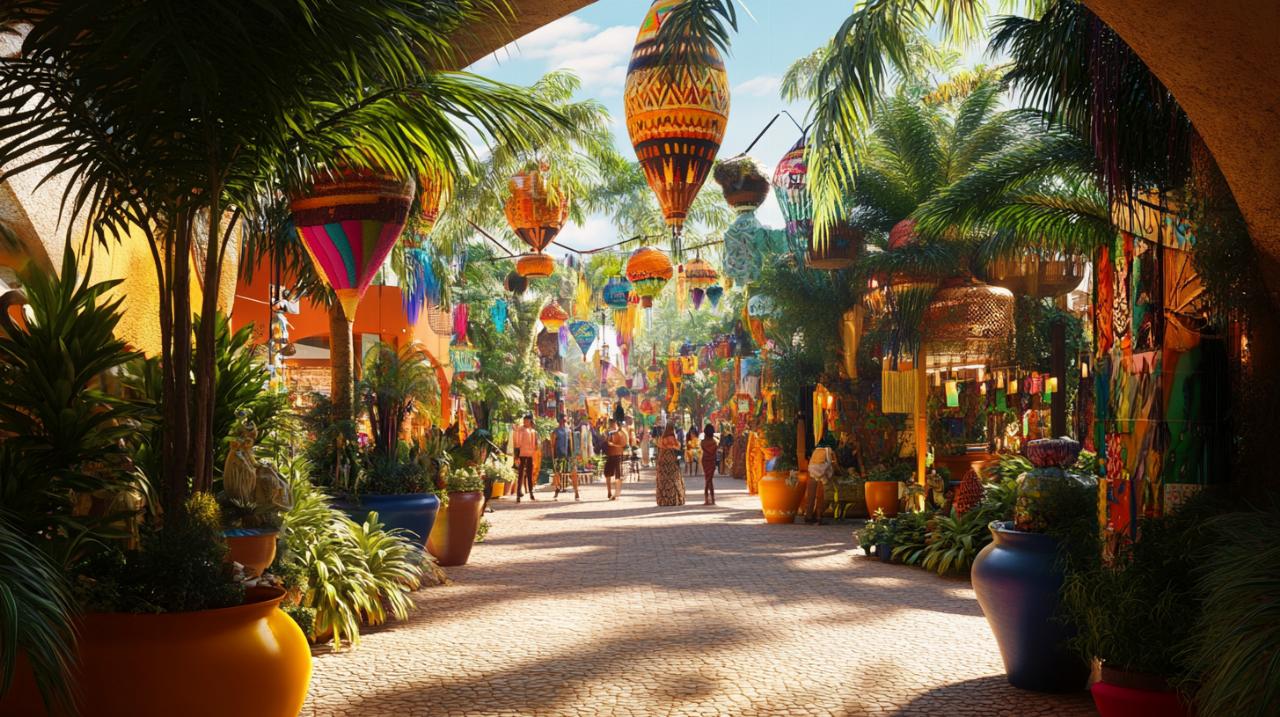
The landscape of event planning is evolving rapidly, with organisers increasingly drawing upon the principles of environmental stewardship and the richness of local culture to craft memorable experiences. This shift reflects a growing awareness that gatherings can serve a dual purpose: they can celebrate meaningful moments whilst simultaneously honouring the planet and the communities that host them. By weaving together sustainable practices and cultural authenticity, event professionals are redefining what it means to host a truly impactful occasion.
Sustainable event planning: green initiatives that transform gatherings
The commitment to environmental protection has become a cornerstone of modern event design, with planners seeking innovative ways to minimise their ecological footprint. The focus on sustainability is not merely a trend but a necessary evolution, driven by ambitious targets such as reducing carbon emissions and achieving net zero goals. This approach requires a comprehensive rethinking of every aspect of an event, from the initial concept through to the final moments of cleanup, ensuring that each decision reflects a dedication to the planet's wellbeing.
Eco-friendly venue selection and zero-waste strategies
Choosing the right location is one of the most significant decisions an organiser can make when planning a sustainable gathering. Eco-friendly venues are characterised by their commitment to energy efficiency, waste management, and green certifications such as Green Tourism standards or ISO 20121 accreditation. For instance, ICC Belfast holds the distinction of being the first venue on the island of Ireland to achieve Green Meetings Gold certification, demonstrating how purpose-built spaces can lead the way in environmental responsibility. These venues often feature passive ventilation systems and rainwater harvesting technology, reducing reliance on traditional utilities whilst maintaining comfort and functionality.
Beyond the physical space itself, the proximity of a venue to public transport access plays a crucial role in lowering the overall carbon footprint of an event. By selecting locations near major transport hubs, planners encourage attendees to opt for buses, trains, or trams rather than private vehicles, thereby cutting down on emissions. In Belfast, for example, the main conference centre sits conveniently close to ferry ports and within easy reach of two airports, making it accessible for both local and international guests. This strategic positioning not only supports sustainable travel arrangements but also aligns with broader climate positive initiatives.
The elimination of single-use plastic and the adoption of reusable materials are further hallmarks of zero-waste strategies. Event organisers are increasingly providing water stations instead of bottled water, offering reusable name badges, and ensuring that all catering supplies avoid disposable plates and cups. The Birmingham Allotment Project exemplifies this ethos by incorporating recyclable materials into their exhibitions, whilst the Club Kali Network minimises environmental impact through eco-friendly web hosting and a commitment to recyclable resources. These practices, when combined with robust waste management plans that include labelled rubbish stations and food composting, create a circular economy within the event itself.
Renewable energy solutions and carbon-neutral event execution
Harnessing renewable energy is a powerful way to reduce the environmental burden of large-scale gatherings. Solar panels, LED lighting, and energy-efficient heating systems are becoming standard features at forward-thinking venues. The Ffestiniog & Welsh Highland Railways, for instance, are repairing their historic workshops to reduce the need for new materials whilst installing solar panels to power operations sustainably. Similarly, the Great Yarmouth Winter Gardens renovation incorporates passive ventilation and rainwater harvesting, whilst the Burrell Collection in Glasgow has embraced energy-efficient heating and lighting to lower its carbon footprint.
Digital solutions also play a vital role in achieving carbon-neutral event execution. By replacing printed programmes with event apps, using digital signage instead of paper posters, and facilitating online registration and ticketing, organisers can significantly cut down on paper usage. This shift towards technology not only conserves resources but also enhances the attendee experience by providing real-time updates and interactive features. Hybrid event formats, which combine in-person and virtual elements, further reduce the need for extensive travel, allowing participants from around the world to engage without the associated emissions.
Community engagement and charity partnerships add another layer of sustainability to events. Initiatives such as the Groundwork oral history project, which uses climate positive printers, and the Britannia 1915 project, which is planting a woodland to create natural habitats and provide timber, demonstrate how events can contribute to broader conservation projects. By supporting local food banks through programmes like 'Changing the Menu. For Good' or donating leftover food to charities, organisers ensure that their gatherings leave a positive legacy that extends beyond the event itself.
Celebrating local traditions: cultural heritage in modern event design

Whilst sustainability addresses the environmental dimension of event planning, the integration of cultural heritage brings depth and authenticity to the attendee experience. Celebrating local traditions through carefully curated design elements not only honours the past but also fosters a sense of community engagement and pride. This approach transforms events into platforms for storytelling, where the history and artistry of a region take centre stage.
Incorporating indigenous crafts and traditional performances
The inclusion of indigenous crafts in event décor and activities offers guests a tangible connection to the region's heritage. Organisers can collaborate with local artisans to create bespoke decorations, table settings, or even interactive workshops where attendees learn traditional techniques such as weaving, pottery, or embroidery. For those seeking professional expertise in blending cultural authenticity with contemporary design, carnivale studio event planning services have demonstrated how indigenous crafts can be seamlessly woven into modern gatherings, creating a visual narrative that resonates with both locals and visitors.
Traditional performances, whether music, dance, or theatre, bring cultural heritage to life in a dynamic and engaging manner. By featuring local musicians or dance troupes, events become immersive experiences that educate and entertain. Saintfield Community Heritage Park, for example, is transforming a 19th-century windmill and railway line into a wildlife corridor, a project that underscores the importance of preserving built heritage whilst creating spaces for community gatherings. Similarly, the Belsay Awakes project removed non-native plants and introduced 80,000 native plants, restoring the landscape to reflect its historical character and providing a backdrop for events that celebrate the region's natural and cultural legacy.
Workshops focused on heritage crafts or conservation projects can also serve as interactive elements within an event. Hosting sessions on upcycling, composting, or even native plant restoration allows attendees to engage directly with sustainable heritage projects, fostering a deeper appreciation for the intersection of culture and ecology. These activities not only enrich the event but also empower participants to carry forward the values of environmental protection and cultural preservation in their own lives.
Heritage-inspired catering and authentic regional experiences
Food is a universal language, and heritage-inspired catering offers a delicious avenue for exploring local traditions. By sourcing locally produced ingredients and crafting menus that reflect seasonal and regional specialities, organisers can reduce carbon emissions whilst supporting local businesses. Plant-based catering options, which have a lower environmental impact, can be designed to highlight traditional recipes that have been passed down through generations, offering guests a taste of the area's culinary history.
The use of biodegradable packaging and the provision of reusable containers for leftovers further enhance the sustainability of catering services. Planners can encourage guests to bring their own containers or offer eco-friendly goodie bags filled with locally made treats, creating a memorable takeaway that reflects both environmental responsibility and cultural pride. The emphasis on locally sourced produce not only reduces the carbon footprint associated with transportation but also ensures that the food is fresh, flavourful, and representative of the region's agricultural heritage.
Authentic regional experiences extend beyond the dining table to encompass the entire event atmosphere. This might include hosting gatherings in outdoor spaces that showcase the natural beauty of the area, incorporating elements such as wildlife corridors or native plant restoration into the event site, or partnering with sustainable suppliers who share a commitment to preserving built heritage. By thoughtfully integrating these elements, organisers create events that are not only environmentally sound but also deeply rooted in the cultural fabric of the community, leaving attendees with lasting memories and a renewed appreciation for the places they visit.