
The True Cost of Speeding 20 and 30 km/h Over the Limit: Statistics That Reveal Why Excessive Speed Kills

The temptation to exceed the speed limit, whether by twenty or thirty kilometres per hour, is one that many motorists face on a daily basis. Yet the consequences of such decisions extend far beyond a fleeting moment of impatience or thrill. From substantial financial penalties to the very real risk of causing fatal collisions, the true cost of speeding is often underestimated. Understanding these implications is essential for every driver who values both their legal standing and the safety of all road users.
The Legal and Financial Consequences of Exceeding Speed Limits
When a driver is caught travelling at speeds that surpass the legal threshold by twenty to thirty kilometres per hour, the immediate response from law enforcement is typically a fixed penalty notice. This straightforward penalty serves as both a deterrent and a reminder that speed limits exist to protect everyone on the road. Motorists who receive such a notice are usually required to pay a fine and accept points on their driving licence. The points, formally known as driving licence endorsements, accumulate over time and can lead to more severe consequences if a driver continues to offend. The system is designed to encourage compliance and discourage repeat behaviour, ensuring that those who disregard the rules face escalating repercussions.
Fixed penalty notices and driving licence endorsements
A fixed penalty notice is often the first interaction a speeding driver has with the legal system. The notice details the offence, the speed recorded, and the fine that must be paid within a specified deadline. Alongside the monetary penalty, drivers receive endorsement points on their licence, which remain in place for a set period. These points serve as a permanent record of the infringement and can affect insurance premiums and future employment opportunities, particularly for those whose livelihoods depend on driving. The accumulation of points is not merely an administrative inconvenience; it is a signal that a driver's behaviour on the road is being monitored and that further violations could result in more significant sanctions.
Escalating penalties: from fines to court appearances
For those who exceed speed limits more egregiously or who have already accumulated points, the penalties escalate beyond simple fines. In serious cases, offenders may be required to attend court, where magistrates have the authority to impose larger fines, mandate attendance at driving courses, or even suspend a driving licence. The financial burden in such instances can be considerable, with fines often reflecting the severity of the excess speed and the potential danger posed to other road users. In extreme cases, where repeat offending or particularly reckless behaviour is evident, the withdrawal of driving privileges becomes a real possibility. This not only affects the individual's mobility but can also have profound implications for employment and daily life, underscoring the gravity of decisions made behind the wheel.
The Devastating Impact of Excess Speed on Road Safety
Beyond the legal and financial ramifications, exceeding speed limits by twenty to thirty kilometres per hour has a direct and measurable impact on road safety. The physics of speed are unforgiving: higher velocities reduce a driver's reaction time, extend stopping distances, and increase the severity of collisions. When speed is combined with other risk factors such as poor weather conditions, heavy traffic, or driver distraction, the likelihood of a catastrophic outcome rises sharply. Every increment above the legal limit amplifies the danger, transforming what might have been a minor incident into a life-altering tragedy.
Statistical evidence: how speed contributes to fatal collisions
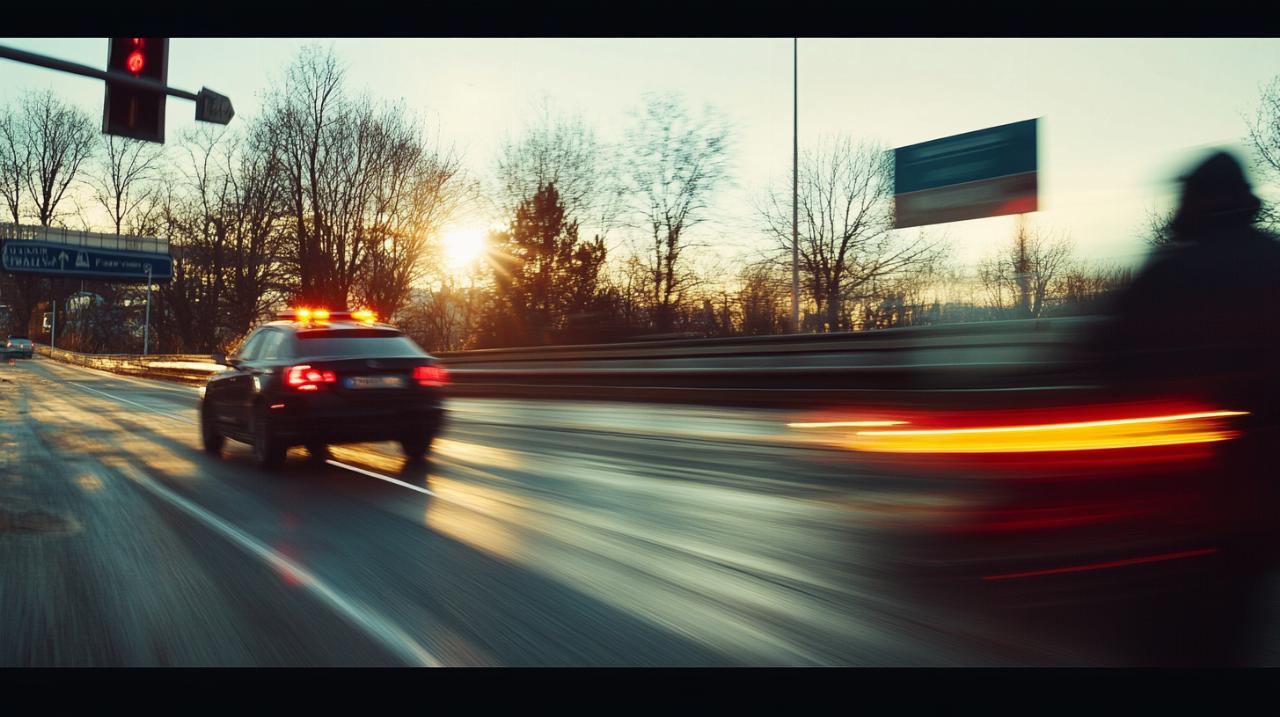
Statistical evidence consistently demonstrates that excessive speed is a leading contributor to fatal collisions on roads across the country. Researchers and road safety authorities have long documented the correlation between higher speeds and increased mortality rates. When a vehicle travels at an excessive rate, the energy involved in a collision multiplies, making it far more difficult for safety features such as airbags and crumple zones to protect occupants. Moreover, pedestrians and cyclists are particularly vulnerable; even a modest increase in speed can mean the difference between survival and fatality. The data is clear: adhering to speed limits is not merely a matter of legal compliance but a critical component of preserving life and preventing injury.
Young and inexperienced drivers: a particularly vulnerable group
Young and inexperienced drivers are disproportionately affected by the dangers of excessive speed. Lacking the years of practical experience that allow seasoned motorists to anticipate hazards and make split-second decisions, these drivers are more likely to misjudge distances, underestimate risks, and lose control when travelling at high speeds. The combination of youthful overconfidence and a limited skill set creates a particularly volatile situation on the road. Speed-related accidents involving young drivers often result in serious injuries or fatalities, not only for the drivers themselves but also for passengers, other road users, and pedestrians. Addressing this vulnerability requires a multifaceted approach, including education, enforcement, and the promotion of safer driving habits from the very beginning of a driver's journey.
Understanding speed enforcement and promoting safer driving habits
The mechanisms by which speed limits are enforced play a vital role in maintaining order and safety on the roads. Speed cameras, both fixed and mobile, are deployed strategically to monitor compliance and deter offenders. When a vehicle is detected exceeding the limit, the registered owner receives a notice of intended prosecution, which formally notifies them of the alleged offence and initiates the penalty process. This notice includes details such as the date, time, and location of the infringement, as well as the recorded speed. Drivers are then given the opportunity to respond, either by accepting responsibility and paying the fine or by contesting the charge if they believe an error has occurred.
Speed Camera Detection and the Notice of Intended Prosecution Process
The technology behind speed cameras has advanced significantly in recent years, enabling more accurate and reliable detection of speeding vehicles. Once an offence is recorded, the notice of intended prosecution is dispatched to the registered keeper of the vehicle. This document serves as an official warning and outlines the next steps, including the deadline for payment and the option to attend a driver awareness course in some cases. The process is designed to be transparent and efficient, ensuring that offenders are made aware of their actions and the consequences that follow. For many drivers, receiving such a notice is a sobering experience that prompts a reassessment of their driving behaviour and a renewed commitment to obeying speed limits.
The Importance of Adhering to Speed Limits on Motorways and Urban Roads
Awareness of speed limits and strict adherence to them is crucial, whether on high-speed motorways or in bustling urban environments. On motorways, where traffic flows at higher velocities, even a small increase in speed can have dramatic effects on stopping distances and the severity of collisions. In urban areas, where pedestrians, cyclists, and other vulnerable road users are present, the need for restraint is even more pressing. Speed limits are not arbitrary; they are carefully calculated based on road conditions, traffic patterns, and the surrounding environment. By respecting these limits, drivers contribute to a culture of safety and mutual respect that benefits everyone. The broader road safety concerns that arise from widespread non-compliance cannot be ignored, as each individual decision to speed has the potential to affect countless others. Ultimately, the choice to drive within the legal limits is a choice to prioritise life, safety, and the well-being of the entire community.