
Lessons from Successful UK Woodland Builds – Classified Wooded Area: Secrets to Building Without Breaking the Law
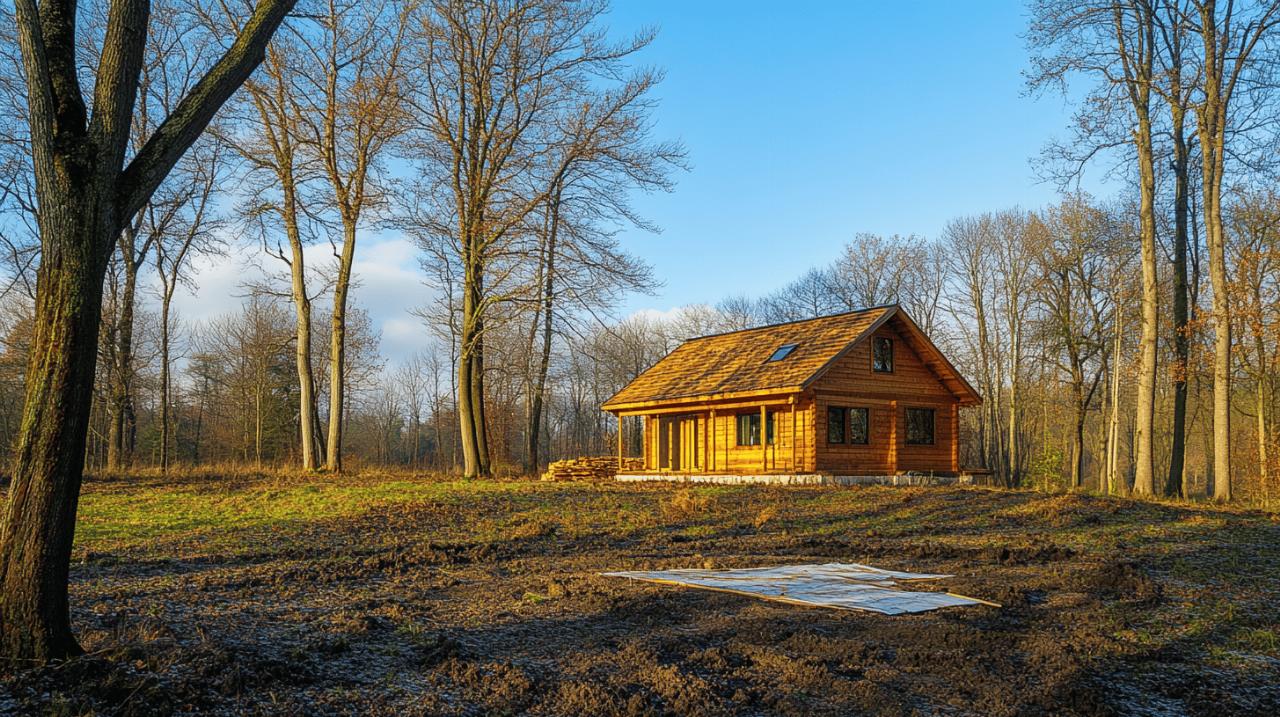
Building within a classified wooded area in the United Kingdom can feel like navigating a dense thicket of regulations, but with careful planning and a solid understanding of the legal landscape, it is entirely possible to create a sustainable and lawful structure. The key lies in respecting the environment whilst adhering to the myriad of planning laws and regulations that govern such sensitive locations. Learning from those who have successfully undertaken similar projects offers invaluable insight into how to proceed without falling foul of the authorities or damaging the natural world.
Navigating Planning Permission and Legal Requirements in Protected Woodlands
Understanding the legal framework surrounding woodland construction is the cornerstone of any successful project. Since the Town and Country Planning Acts were introduced in 1947, any significant development or change in land use has generally required planning permission. However, forestry itself enjoys an exemption from these rules, as stated in Section 55 of the 1990 Act for England and Wales, and Section 26 of the 1997 Act for Scotland. This exemption covers activities such as planting, coppicing, and felling, but it does not extend to constructing permanent dwellings or other substantial buildings without proper authorisation. Anyone considering building in a wooded area must be acutely aware that whilst forestry work is largely unrestricted, building operations fall under much stricter scrutiny.
Understanding your local development plan and zoning restrictions
Before embarking on any construction project, it is essential to consult the local development plan to determine whether the area in question is zoned for building. Local planning authorities hold this information, and they can clarify what restrictions apply, including height limitations, building types, and permissible uses. Failing to check these details at the outset can lead to costly delays or even the rejection of planning applications. In some cases, Article 4 directives may restrict permitted development rights, meaning activities that would normally be allowed without planning permission are instead subject to formal approval. This underscores the importance of thorough research and engagement with the planning authority early in the process.
Engaging with Town Halls and Securing Essential Planning Permissions
Direct engagement with the town hall or local planning authority is a critical step. Speaking with planning officers can provide clarity on what is feasible and what documentation is required. Transparency and open communication demonstrate a commitment to working within the system rather than attempting to circumvent it. Applying for planning permission and making a formal declaration of works are non-negotiable steps for most building projects. Even for forestry-related structures, a prior notification procedure, sometimes referred to as the 28-day rule, may be necessary. This requires informing the local planning authority of the proposed development, allowing them to review whether the work is reasonably necessary for forestry purposes. Several appeal cases have established precedents for what constitutes acceptable forestry buildings, offering useful guidance for those preparing their applications.
Preparing your woodland building project: assessment and professional guidance
Preparation is half the battle when it comes to building in a wooded area. A methodical approach to site assessment and professional consultation can prevent a host of problems down the line. The success of projects like the Woodland House in Prickly Nut Wood, designed and built by Ben Law, illustrates the value of careful planning and a deep understanding of the site's characteristics. Featured on Channel 4's Grand Designs in 2004 and watched by millions, this project exemplified sustainable construction within a woodland setting, achieved on a budget of just twenty-five thousand pounds and using materials sourced almost entirely from the surrounding forest.
Conducting a Thorough Site Assessment and Establishing Clear Objectives
A comprehensive site assessment is the foundation of any woodland building project. This involves evaluating the topography, soil conditions, water sources, and existing vegetation. Understanding the natural features of the land helps inform decisions about where to position buildings, how to minimise environmental impact, and what construction methods are most appropriate. Equally important is establishing clear objectives for the project. Whether the goal is to create a dwelling, an extension, or a forestry-related structure, having a well-defined vision guides the planning process and helps communicate intentions to planning authorities and other stakeholders. Clarity at this stage can also help identify potential obstacles early, allowing for adjustments before significant resources are committed.
Working with Architects to Navigate Planning Codes and Design Constraints
Enlisting the expertise of an architect with experience in woodland construction is highly advisable. A skilled architect can help interpret local planning codes, design a structure that complies with regulations, and ensure that the project aligns with environmental considerations. Architects familiar with sustainable construction techniques, such as roundwood construction and straw bale insulation, can also bring innovative solutions that reduce environmental impact and cost. The use of coppice poles of sweet chestnut, as seen in the Woodland House, is one example of how local materials can be incorporated effectively. Architects can also assist with the preparation of planning applications and liaise with planning authorities on behalf of the client, streamlining the approval process and increasing the likelihood of success.
Environmental Considerations and Nature Preservation in Woodland Construction
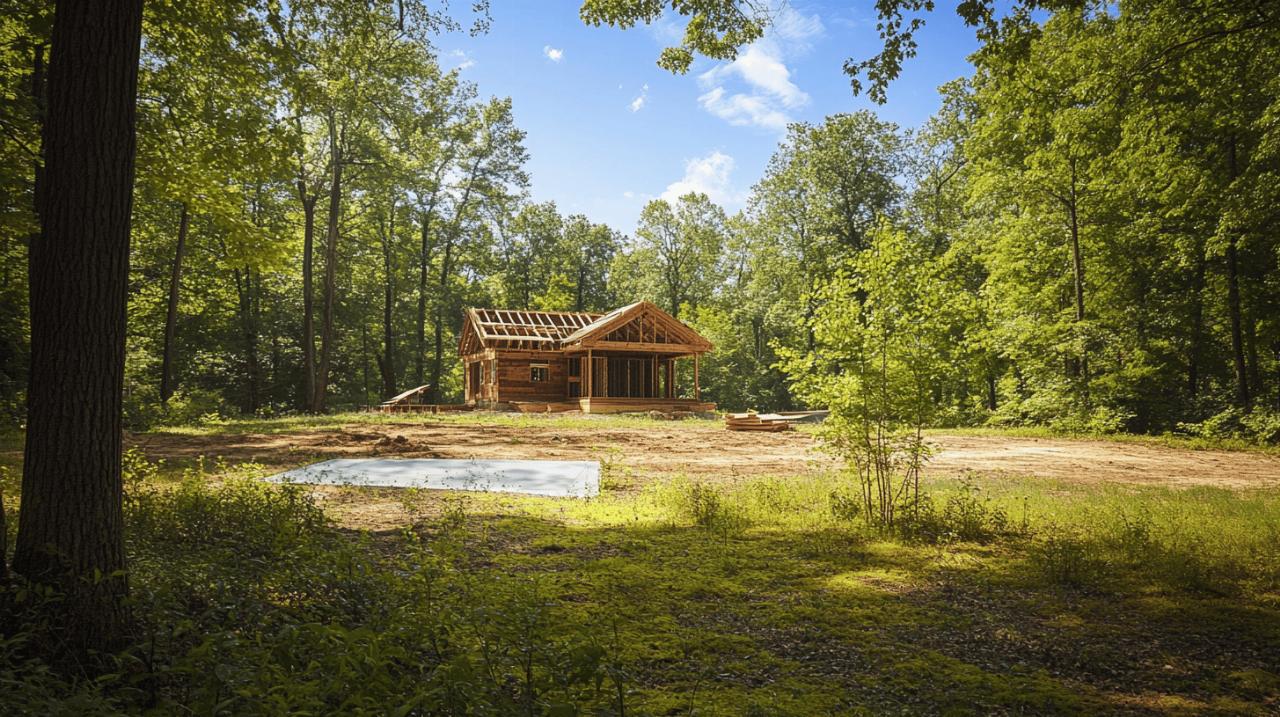 Building in a protected woodland area demands a heightened sensitivity to environmental impact. The principles of permaculture, which apply ecological and ethical considerations to design, offer a framework for creating structures that harmonise with their surroundings. The Woodland House is a prime example of this philosophy in action, incorporating features such as a dry-composting toilet, water sourced from a natural spring, and energy supplied by photovoltaic cells and a wind turbine. Such approaches demonstrate that it is possible to live sustainably within a wooded environment without compromising modern comfort or convenience.
Protecting Landscapes and Complying with Protected Site Regulations
Protected woodland areas are often subject to additional regulations designed to preserve their ecological and scenic value. These may include Site of Special Scientific Interest protections, Tree Preservation Orders, and restrictions on felling. Understanding and complying with these regulations is not optional; it is a legal requirement. For instance, felling trees may require a licence, and any work that affects protected species or habitats must be carefully managed. Ignoring these protections can result in enforcement action, fines, or orders to reverse any damage caused. Engaging with environmental agencies and seeking their guidance can help ensure that projects proceed in a manner that respects both the letter and the spirit of conservation laws.
Minimising environmental impact during construction and beyond
Minimising environmental impact extends beyond compliance with regulations. It involves adopting construction practices that reduce harm to the ecosystem, such as using locally sourced materials, minimising waste, and avoiding unnecessary disturbance to the soil and vegetation. The use of roundwood construction, which is stronger than cut wood and requires less processing, is one way to achieve this. Insulating with straw bales, a renewable and effective material, further reduces the carbon footprint of the build. Beyond the construction phase, ongoing management of the woodland is essential. Practices such as coppicing, which involves cutting trees to ground level to encourage regrowth, can enhance biodiversity and support sustainable timber production. Long-term thinking about the impact of the structure on the environment is crucial, especially given the increasing pressure on land in regions such as the south-east of England, where significant housing development is planned.
Construction Compliance and Regularisation of Woodland Builds
Once planning permission has been secured and construction begins, strict adherence to the approved plans is essential. Deviating from these plans without authorisation can lead to enforcement action, including orders to demolish or alter the structure. Ensuring compliance throughout the construction process protects the investment and avoids legal complications. For those who have already built structures without proper authorisation, understanding the options for regularisation is critical.
Adhering to Approved Plans and Obtaining Occupancy Certificates
During construction, it is vital to follow the approved plans precisely. Any changes, even minor ones, should be discussed with the planning authority before implementation. Building control regulations also apply, ensuring that structures meet safety and quality standards. Upon completion, obtaining an occupancy certificate and other necessary permits is required before the building can be legally inhabited. This includes ensuring that access to essential services such as water and electricity is properly arranged. Informing neighbours of the project and addressing any concerns they may have can also help maintain good relations and avoid disputes that might complicate the process. Transparency and cooperation are valuable assets throughout the construction phase.
Regularising unauthorised structures and understanding enforcement timescales
For those who have constructed buildings without planning permission, regularisation is a possible, though not guaranteed, route to legality. This involves applying retrospectively for planning permission and demonstrating that the structure meets current planning policies. However, there is no assurance that such applications will be approved, and the process can be complex and costly. The Four and Ten Year Rules offer some protection by setting time limits for enforcement action. Until recently, it was four years for building operations and change of use to a single dwelling, but this was extended to ten years in England from April 2024. Deliberate concealment of a breach, however, allows enforcement action at any time. Relying on these time limits is a risky strategy and should not be seen as an alternative to obtaining proper permission in the first place. Understanding enforcement timescales and the potential consequences of unauthorised development underscores the importance of doing things correctly from the start.
Building in a classified wooded area requires diligence, respect for the environment, and a thorough understanding of the legal framework. By following the proper channels, engaging with planning authorities, and learning from successful projects, it is possible to create a sustainable and lawful structure that enhances rather than detracts from the natural landscape.